What If the Mongols Had Never Come? The Kingdom of Ruthenia — Europe’s Unfulfilled Superpower

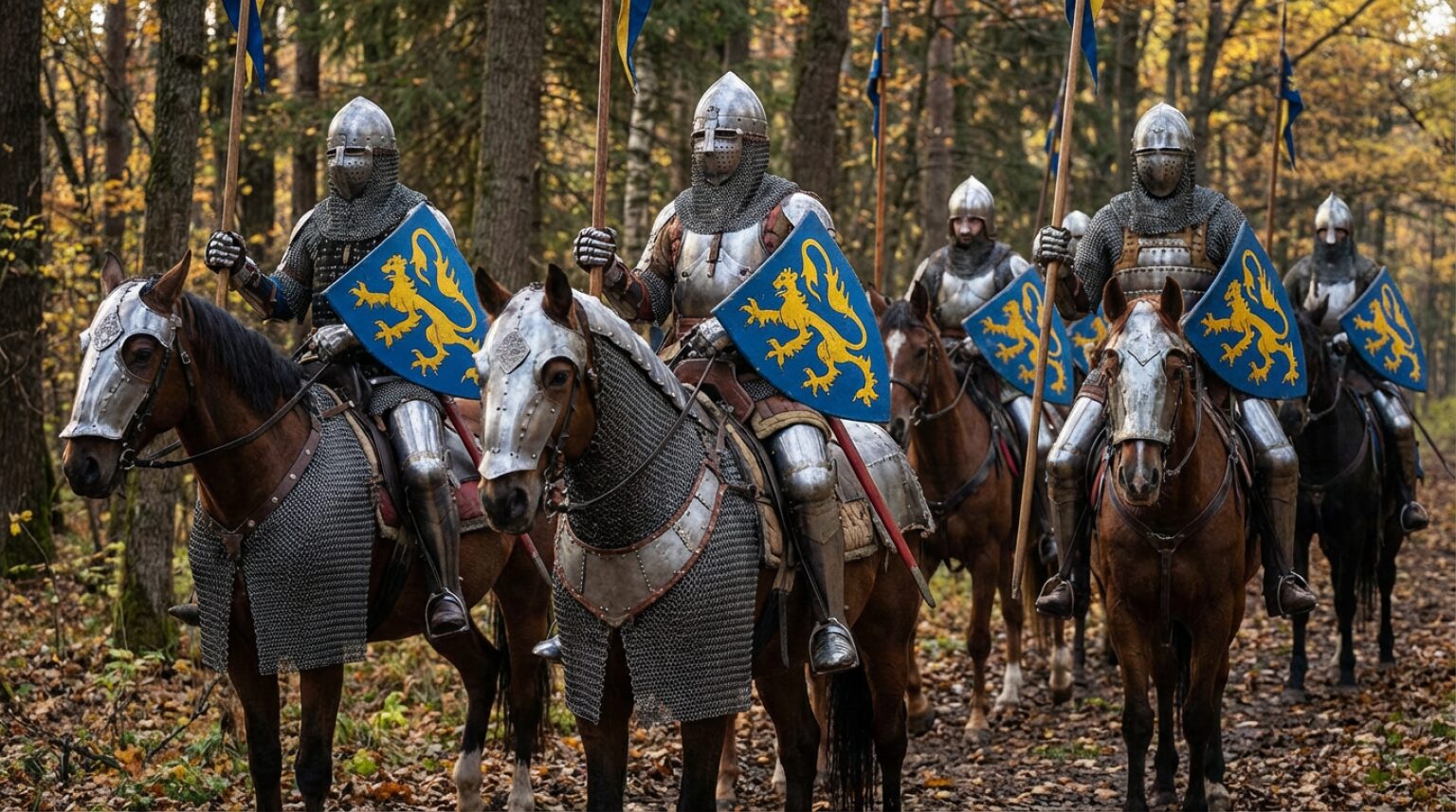
Contents:
History is often shaped not only by what happened, but by what did not. The Mongol invasion of Eastern Europe in the 13th century became one of those turning points that split the timeline into “before” and “after.” Entire regions were devastated, political centers destroyed, and trajectories of development fundamentally altered.
But what if the Mongols had never come?
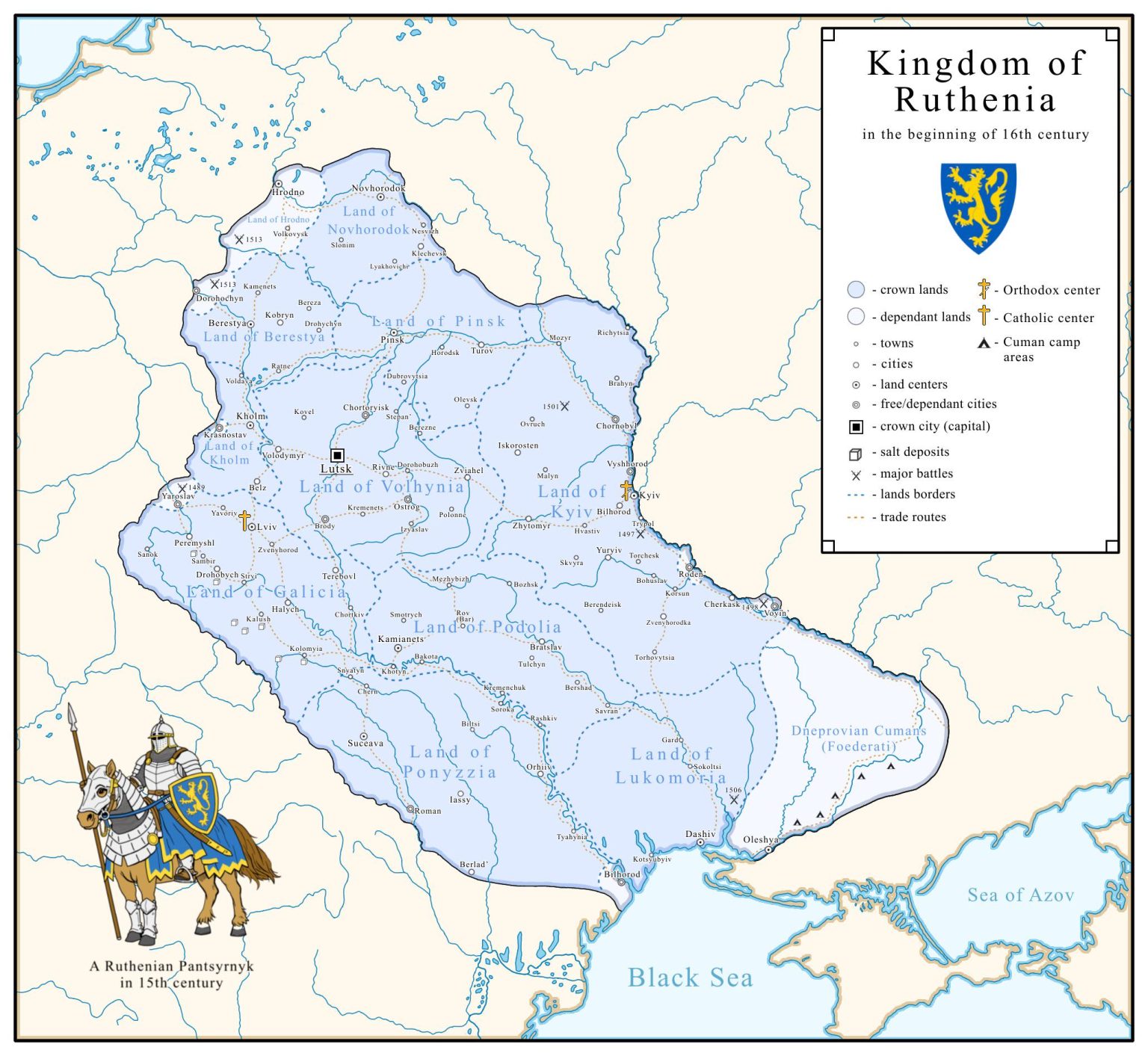
What if the lands of Rus’ had avoided the catastrophe of invasion, preserved their cities, elites, and economic ties? In that alternative reality, a completely different state might have emerged on the map of Europe — a powerful, centralized, and expansionist kingdom known as Ruthenia.
Before the Storm: Rus’ on the Brink of Transformation
By the early 13th century, the lands of Kievan Rus’ were no longer a unified state, but neither were they doomed to fragmentation. Despite internal conflicts between princes, the region retained several critical advantages: a developed urban network, trade routes connecting the Baltic to Byzantium, and a shared cultural and religious space.
Cities such as Kyiv, Smolensk, and Novgorod were not provincial outposts — they were major centers of commerce and power. The princely elites, though divided, operated within a recognizable political framework that could still evolve into a more centralized system.
Without external shock, this system had every chance to stabilize.
The Mongol Factor: A Broken Trajectory
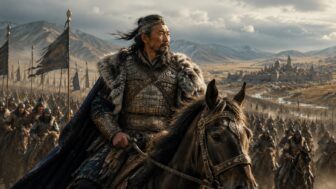
The Mongol invasion did not simply conquer — it reset. Cities were burned, populations decimated, and political continuity shattered. The old centers declined, and new ones rose under entirely different conditions.
Many historians note that without this intervention, the political map of Eastern Europe could have followed a completely different path. Instead of shifting power to the northeast, toward Moscow, the center of gravity might have remained in the southwest.
This is where the future Ruthenia begins to take shape.
Galicia-Volhynia: The Seed of a Kingdom
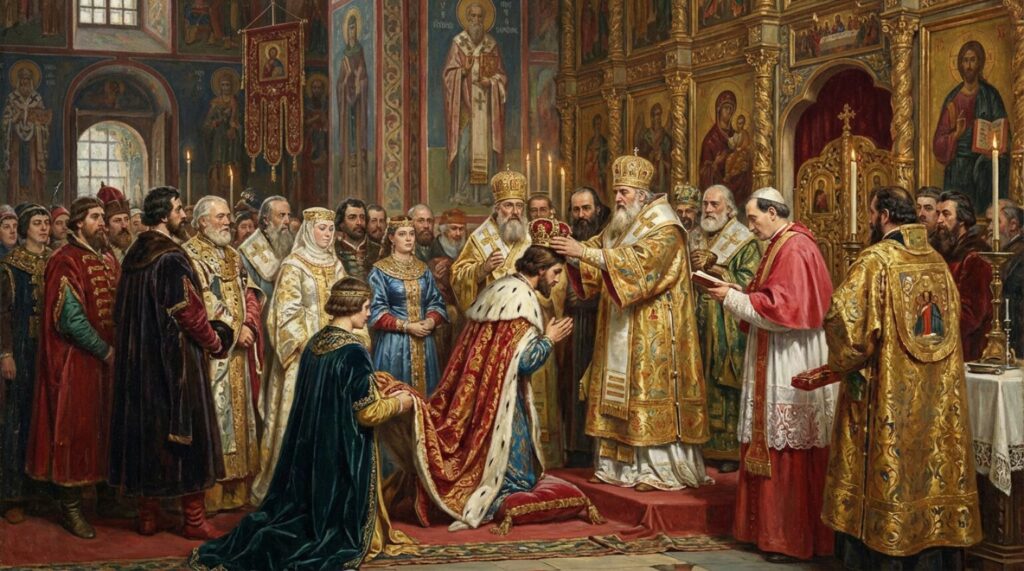
Coronation of Prince Daniel of Galicia as King of Rus’
Even in real history, the Principality of Galicia-Volhynia emerged as one of the strongest successors of Kievan Rus’. It maintained closer ties to Central Europe, interacted actively with Poland and Hungary, and developed elements of statehood that resembled Western monarchies.
Without the Mongol devastation, this principality could have become the core of a much larger political entity. Its rulers were already experimenting with royal titles, diplomacy, and centralized governance.
In an alternative timeline, Galicia-Volhynia does not remain a regional power — it becomes the nucleus of a kingdom.
The Rise of Ruthenia
Freed from the pressure of Mongol domination, the southwestern lands begin a process of consolidation. Neighboring principalities, weakened not by invasion but by internal struggles, are gradually absorbed or subordinated.
The emerging Kingdom of Ruthenia expands its influence westward and northward, competing with Poland and Lithuania rather than being overshadowed by them. Instead of becoming a buffer zone, it turns into a major player.
Trade flourishes. Cities grow. A unified elite begins to form.
Over time, Ruthenia evolves into a centralized monarchy with ambitions that extend far beyond its original borders.
A Different Eastern Europe
In this scenario, the familiar map of Eastern Europe changes dramatically. There is no dominant Muscovite state rising in the northeast under Mongol influence. Instead, power consolidates in the southwest.
The cultural and political orientation of the region shifts as well. Ruthenia, with its strong ties to Europe, becomes a bridge between East and West — not a frontier, but a core.
Languages, identities, and alliances develop along different lines. What we now call “Russia,” “Ukraine,” and “Belarus” might have taken entirely different forms — or might not have emerged at all in their current sense.
The Superpower That Never Was
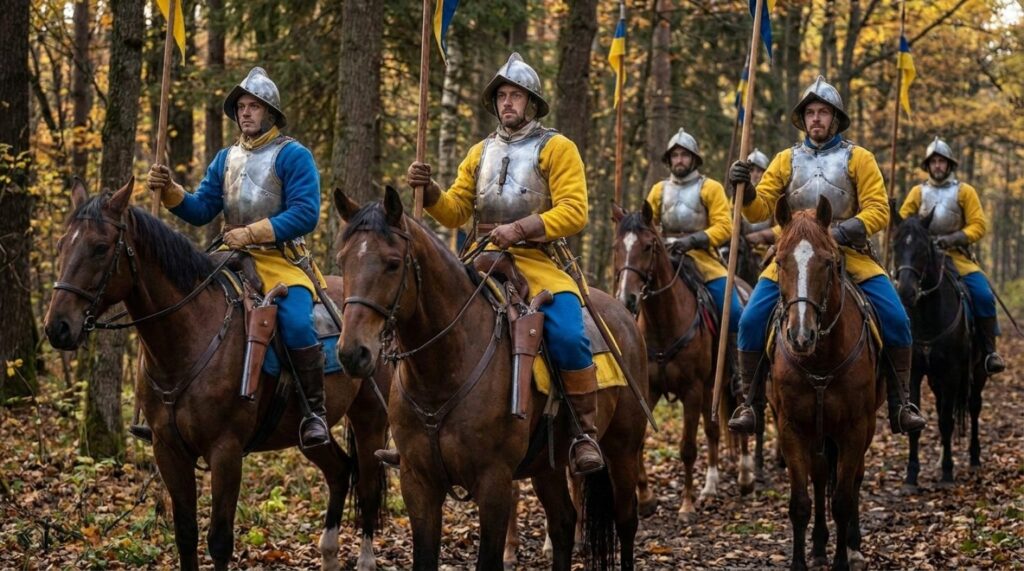
Could Ruthenia have become a true European superpower?
The conditions were there: population, resources, geography, and cultural cohesion. Without the Mongol disruption, Eastern Europe might have produced a state comparable to France or the Holy Roman Empire — large, influential, and capable of shaping continental politics.
Instead, history chose a different path.
But the shadow of that unrealized possibility remains — a reminder that even the most powerful empires can exist only in the realm of “what if.”